
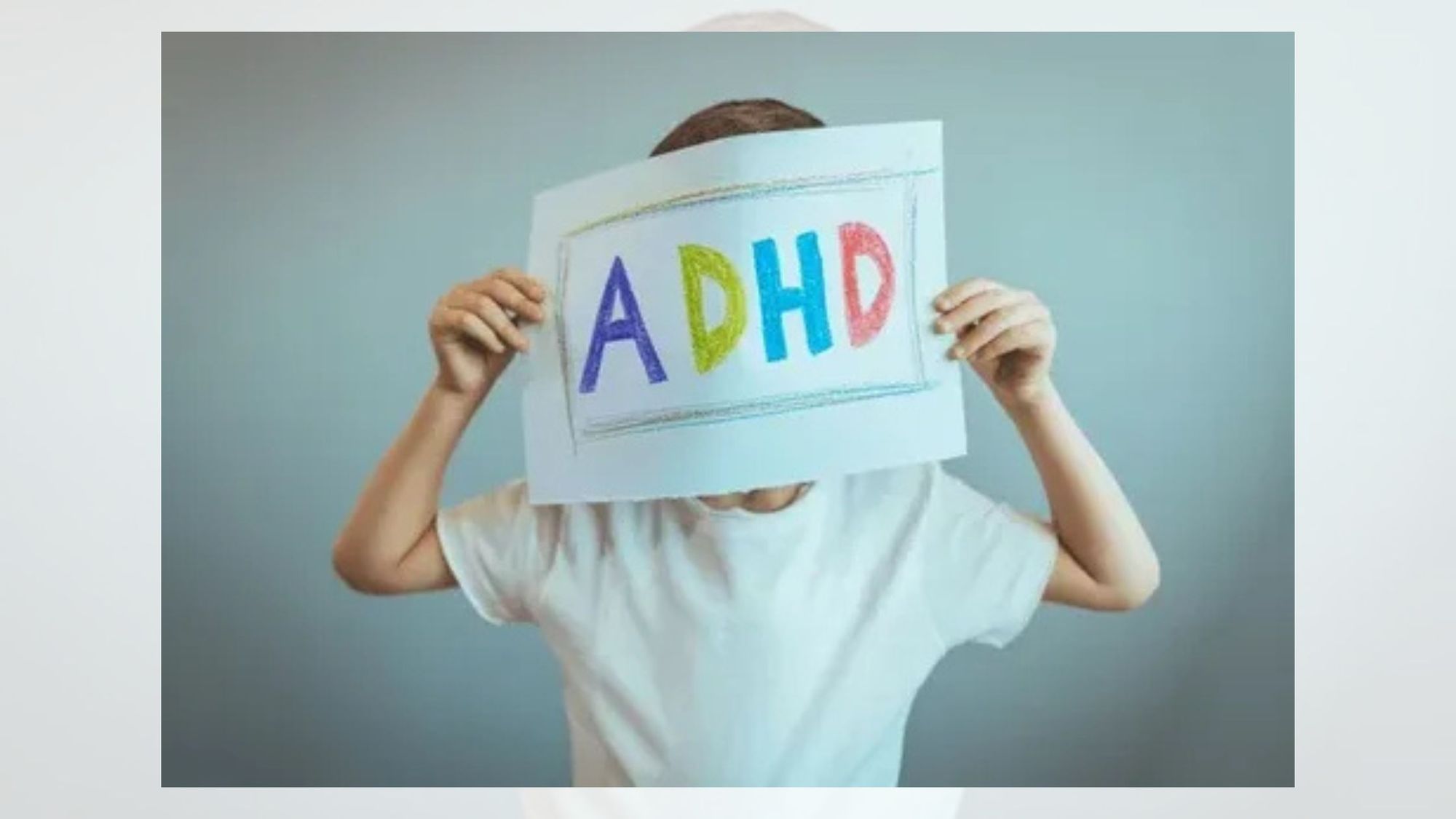
Attention-Deficit/Hyperactivity Disorder (ADHD) often sparks many questions from parents, educators, and caregivers alike. One of the most common is, "Can a child recover from ADHD?" The short answer is a bit more complicated than yes or no. ADHD isn’t like a cold that just goes away after a few days. It’s a neurodevelopmental condition, meaning it starts in childhood and often continues into adulthood. But there’s a silver lining. With the right support, early intervention, and a solid treatment plan, many kids with ADHD can thrive, adapt, and lead full, successful lives.
Let’s take a closer look at what recovery really means in the context of ADHD, and how it might look for your child.
What Does “Recovery” from ADHD Really Mean?
Let’s get this straight: ADHD doesn’t have a cure. So when people talk about recovery, they usually mean something a bit different. In most cases, it refers to a child learning how to manage their symptoms effectively. Think of it like learning to ride a bike. At first, they need training wheels, but over time, with patience and practice, they can balance on their own. Recovery might look like a child becoming more focused in school, being able to complete tasks without constant redirection, or developing better emotional regulation. They may still face challenges, but they don’t control their lives anymore.
Growing Out of ADHD: Myth or Reality?
You may have heard someone say, “They’ll grow out of it.” While some kids do seem to show fewer symptoms as they get older, that’s not true for everyone. Studies suggest that about one-third of children with ADHD no longer meet the criteria for the disorder by adulthood. But that means two-thirds still do. So what’s happening here? For many children, brain development and maturity play a big role. As the brain matures, particularly the prefrontal cortex, some kids may find it easier to manage attention, impulses, and hyperactivity. Others may develop coping strategies so effective that ADHD no longer disrupts daily life.
Still, that doesn’t mean ADHD is gone, it just might not be as noticeable.
Early Intervention Makes a Huge Difference
Here’s the good news: catching ADHD early and starting the right treatment can make a world of difference. Early intervention can help children build skills, confidence, and independence. Treatment isn’t just about medication (though that’s helpful for many). It also includes behavior therapy, school support, parent training, and sometimes dietary changes. With a strong support system, kids can learn to thrive, not just survive. The earlier the help, the better the outcome. That’s not just feel-good talk, it’s backed by research.
Coping Skills and Confidence Go Hand in Hand
Another huge part of “recovering” from ADHD is building solid coping mechanisms. This doesn’t happen overnight. It takes time, trial, and a whole lot of error.
Some common strategies include:
- Breaking tasks into small, manageable steps
- Using visual aids and reminders
- Practicing mindfulness and emotional regulation
- Establishing routines and structure
The more a child uses these tools, the more they gain control over their behavior. Over time, this boosts self-esteem. That confidence, in turn, helps them take on new challenges with less fear and more focus. Managing ADHD becomes second nature, and that’s a huge win.
The Role of Family and School Support
Children don’t “recover” from ADHD alone. It takes a team, parents, teachers, therapists, and sometimes even friends. At home, consistency is key. Setting boundaries, using positive reinforcement, and sticking to routines all help. In school, kids often need accommodations. That might be extra time on tests, movement breaks, or help with organizing their assignments. Support doesn’t mean enabling, it means empowering. The more involved and understanding the adults around them are, the better the child’s outcome tends to be.
ADHD in Teens and Adults: What Happens Next?
So what if a child doesn’t outgrow ADHD? That’s okay. Plenty of adults live successful lives with it. In fact, many channel their traits like high energy, creativity, and outside-the-box thinking, into careers where they shine. However, untreated ADHD can lead to long-term problems, like poor academic performance, trouble with relationships, or emotional struggles. That’s why ongoing care is so important, even into the teen and adult years. The goal isn’t perfection. It’s progress.
Can Natural Maturity Replace Treatment?
Not really. While some children may see their symptoms fade a bit as they age, relying solely on maturity is risky. ADHD is more than just a “phase,” and brushing it off can delay essential support. It’s like ignoring a leaky roof and hoping it’ll stop raining. The problem might not go away, and it could get worse. Treatment works best when it starts early and sticks around as long as needed.
So, Can a Child Recover from ADHD?
The answer depends on what we mean by “recover.” If we’re asking whether ADHD disappears completely, probably not in most cases. But if we’re asking whether a child can live a happy, independent, and successful life with ADHD, then yes, absolutely.
Recovery looks like:
- Learning to manage symptoms
- Gaining confidence
- Building healthy habits
- Thriving at home and school
ADHD testing, support, and tailored treatment plans are the real game-changers. With the right tools and a strong support system, children can turn their challenges into strengths.
So, can a child recover from ADHD? Not in the traditional sense. But that doesn’t mean there’s no hope.